
One man’s journey from Stage IV cancer to an inspirational second act.
A Note to Book Clubs
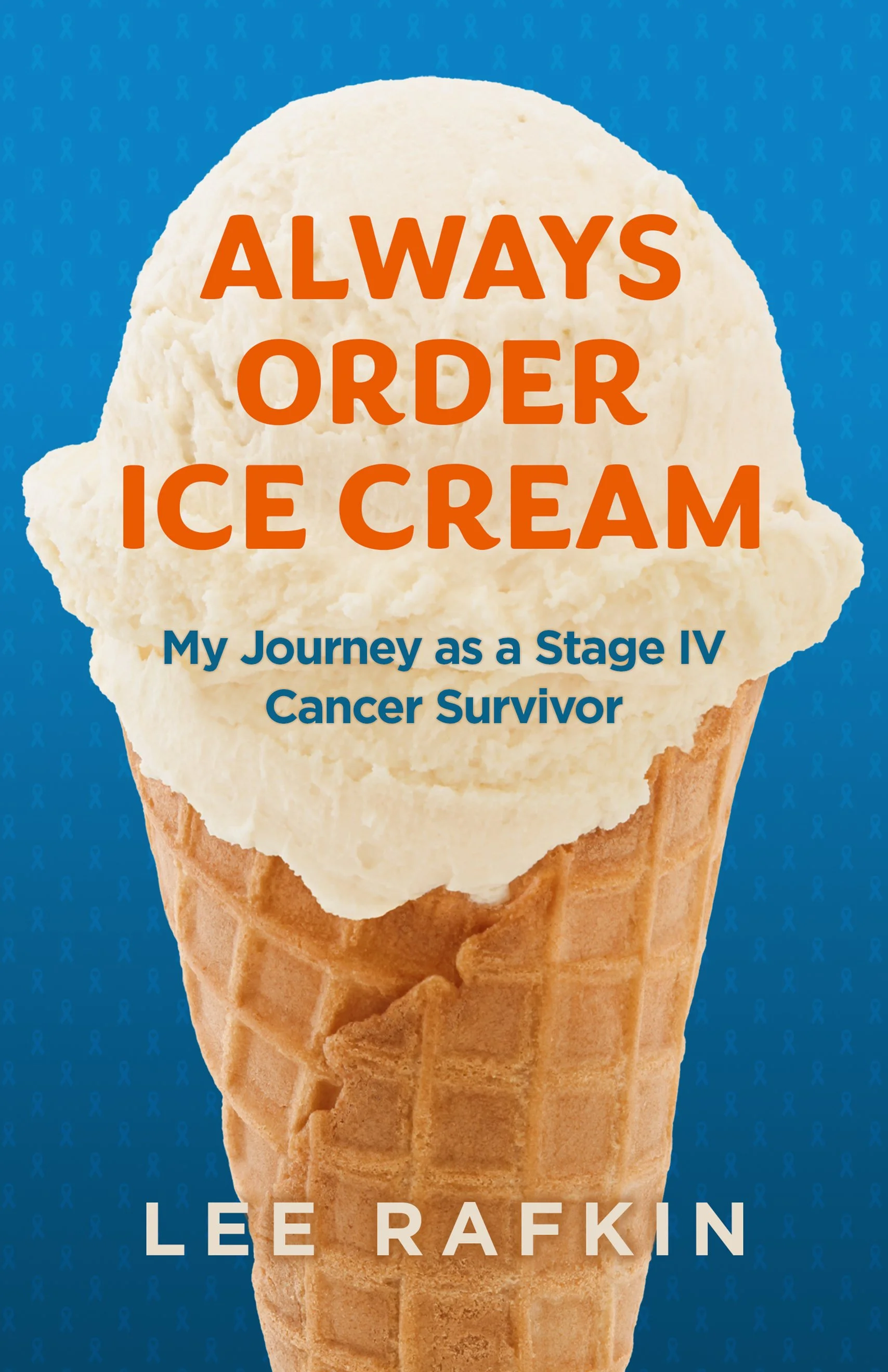
Thank you for choosing Always Order Ice Cream: My Journey as a Stage IV Cancer Survivor for your book club. I wrote it eleven years after a Stage IV colon cancer diagnosis, when I finally felt ready—and courageous enough—to revisit my journey: the fear, the choices, the mistakes, the small miracles, the euphoria of survival, and the unexpected insight that revealed itself along the way.
I hope my book sparks authentic conversation: about health and cancer, certainly, but also about the power of second acts and what it means to live a life with purpose. If even one passage inspires readers, then I have accomplished my objective.
Invite me to your next book club! I’d be honored to join your group and share my perspective. To get you started, here are questions to consider.
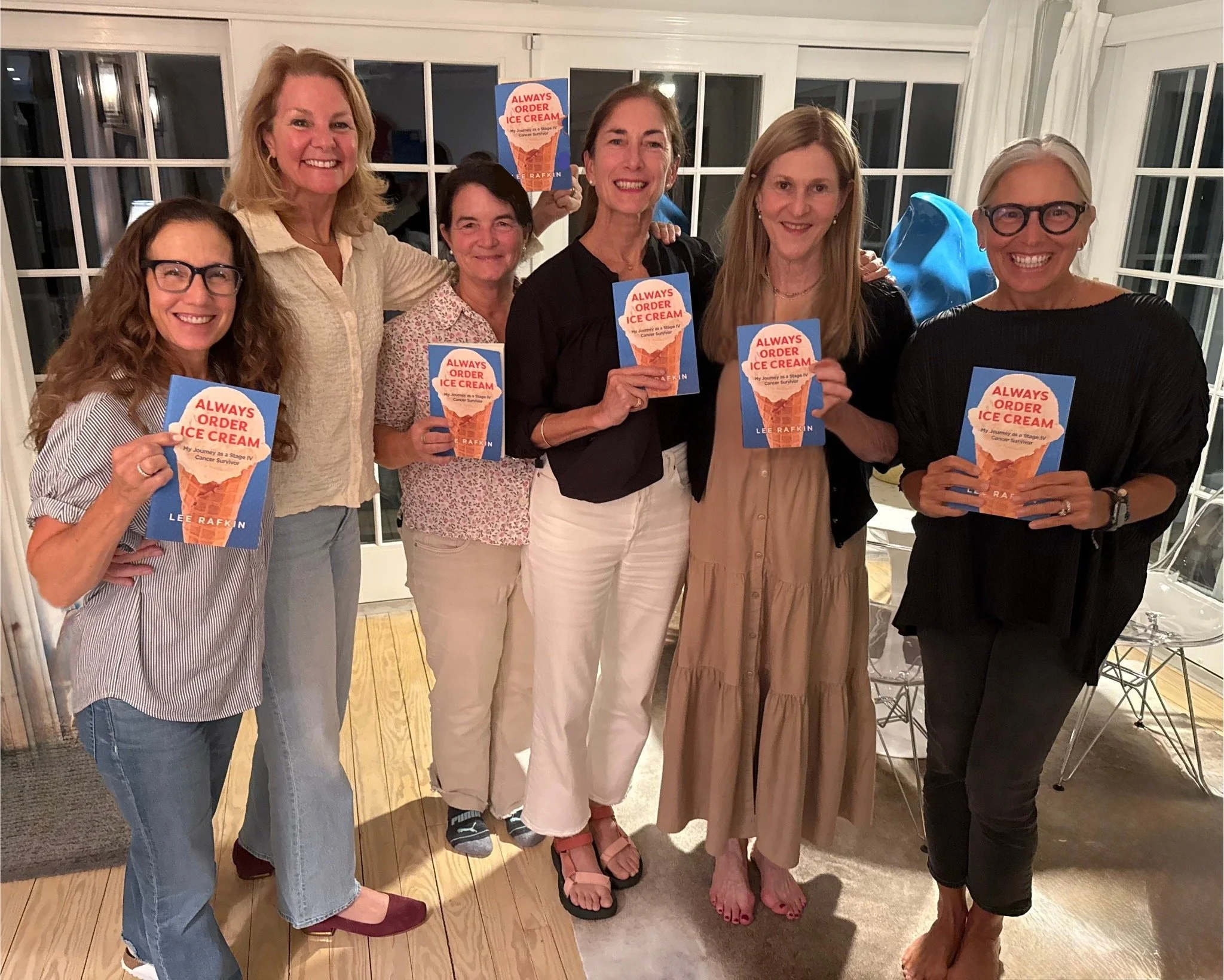
Twin Lakes Book Club
Salisbury, Connecticut
September 8, 2026
Book Club Discussion Guide
Lee learns about his cancer in a shocking and impersonal way and is then given a death sentence by the first surgeon he meets. How did that moment affect you as a reader? What emotions did it stir?
Lee tells readers they’re not a number and recommends they ignore survival statistics, dark rabbit holes, and misinformation on the web. How persuasive do you find his recommendation? How would you navigate it?
Lee argues that embarrassment is a major risk factor of colorectal cancer, because people aren’t comfortable talking to their doctors about poop. What do you think?
Lee believes emotional suppression is as dangerous as physical cancer. Which moments in the narrative best illustrate this?
Have you ever experienced the unintended consequences of anger, fear, or frustration? As a giver? As a receiver? How did it impact your relationship?
Lee’s relationship with his mother was complex. What do you think about how Lee tried to set boundaries with her? Did you feel empathy for her, for him, or for both? Why?
Lee’s sister Holli emerges as a central figure in his survival story. How did her medical advocacy help Lee? What qualities do you think made her an effective angel?
Did this story challenge or reinforce your assumptions about caregiving roles and support networks?
How did Andy, as a cancer buddy, help Lee? How did Lee, as a cancer buddy, help Dan?
How does Lee’s relationship with Keri symbolize the “second act” his memoir champions? What do you think about how Lee found love and started over again, later in life?
The contrast between Lee’s first and second medical opinions was dramatic. What does this say about our healthcare system?
Lee experienced death up close and personal more than once in his life. The chapter, “Trading Places,” about his friend Arthur, is especially moving. How do you think Arthur’s ALS influenced Lee’s own journey and outlook?
Why do you think Lee says, “old friends are the best friends?” What does his book say to you about friendship?
How did Lee’s cancer reshape his attitude about work and career ambition? How did he define success before and after cancer? What does ‘work to live’ versus ‘live to work’ mean to you?
Have you ever had a life-changing event that caused you to reconsider how you felt about work and career? How did it change you?
What does the phrase “Always order ice cream” mean to you personally?
If you had only one year to live, how would you spend your time? What would you do? What would you change and what would you keep?
What “gray socks” moments have you had in your life–when you realized you were stronger than you thought?
What (if anything) will you do differently after reading this book?